
Industry Data & Trends
How much does a smart parcel locker cost in Canada?
A plain breakdown of what a smart parcel locker system actually costs a Canadian multifamily building — hardware, install, software, and the line items most budgets miss.
By Accessa Parcel Team, Multifamily operations · · 8 min read
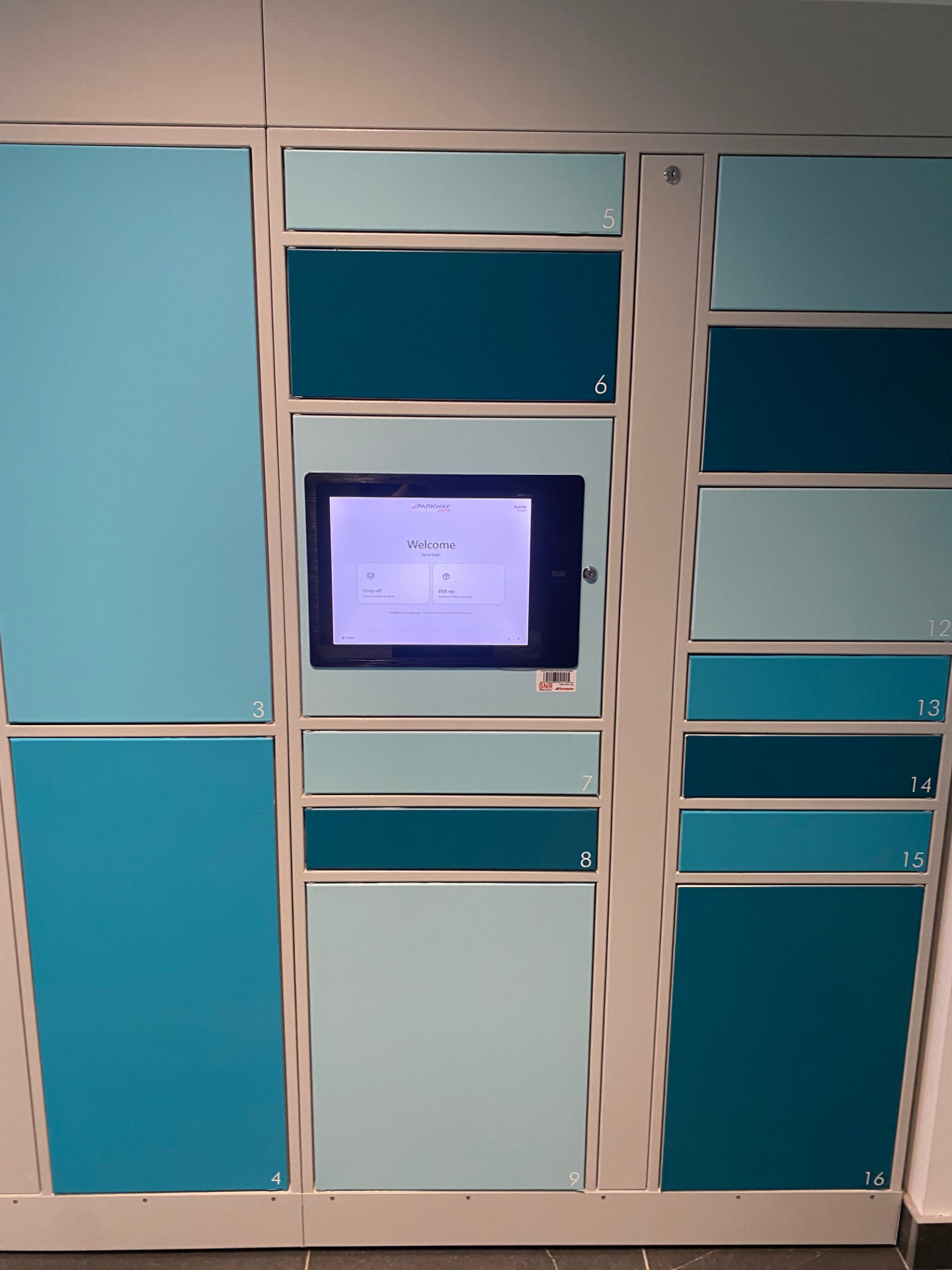
It is the first question on almost every call: what does a parcel locker system actually cost? The honest answer is that there is no single price, because a locker bank is not one product. It is hardware, electrical and data work, delivery and installation, and an ongoing software subscription — and the mix shifts depending on the building. What we can do is break the number into parts you can budget against, and point out the costs that catch teams off guard.
This guide is written for Canadian multifamily buildings: condo boards, apartment owners, developers pricing an amenity package, and property managers preparing a capital request. Pricing conventions here differ from the US market — duties, freight into Canada, provincial electrical requirements and bilingual support all move the number.
What actually drives the price
Two buildings with the same unit count can land 40% apart on total cost. Almost all of that variance comes from five factors.
- Compartment count. This is the single biggest lever. It is driven by delivery volume and how fast residents collect, not by unit count alone.
- Compartment mix. Oversized doors cost more per door and take more wall. Grocery and pet-food deliveries push that mix upward.
- Indoor or outdoor. Weather-rated enclosures, heaters and sealed electronics carry a premium over an indoor lobby configuration.
- Site conditions. A new build with power and data already stubbed in is cheap to install. A finished lobby that needs a new circuit and a data drop is not.
- Software scope. Carrier integrations, resident app, dashboard, analytics and support tiers are subscription items, not one-time costs.
[VERIFY REAL NUMBER]
typical installed cost per compartment for an indoor Canadian locker bank
Replace with a confirmed range from current Accessa Parcel Canadian pricing before publishing.
Hardware: the visible cost
Hardware is quoted per compartment, or as a configured bank: a control column with the touchscreen and camera, plus locker towers in a mix of small, medium, large and oversized doors. Adding towers later is straightforward if you leave the wall space, which is why we push teams to plan the footprint for the bank they will need in five years even when they only buy part of it now.
Outdoor units cost more, but they solve problems an indoor bank cannot. A weather-rated bank in a vestibule or exterior alcove gives couriers access without giving them access to the building, which matters in low-staff and townhouse-style communities where there is no lobby to deliver into.
Installation, electrical and network
Installation is where budgets go wrong. The bank itself goes up in a day in most buildings. What takes time and money is everything around it.
Electrical
A locker bank needs a dedicated circuit terminating at the control column. In new construction, that is a line on the electrical drawings and costs almost nothing extra. In an existing lobby it means a licensed electrician, a conduit run, possibly a permit, and a weekend when the lobby is a work site.
Network
A wired connection is strongly preferred over building Wi-Fi. Lobbies are hostile radio environments, and a locker that drops offline turns into a support call from every resident expecting a pickup code. Budget for a data drop from the nearest IDF, or for a dedicated cellular fallback if a cable run is genuinely impossible.
Delivery and rigging
Locker towers are heavy and awkward. Costs rise with distance from the loading dock, with elevator restrictions, and with any move that has to happen outside business hours because of condo board rules. Ask for this to be quoted explicitly rather than folded into a single install figure.
The software subscription
Hardware without software is a set of metal boxes with locks. The subscription is what makes the bank behave like an amenity: carrier integrations with Canada Post, Purolator, UPS, FedEx, Amazon and Canpar; resident notifications by text and email; QR and PIN pickup; a management dashboard with occupancy and dwell-time analytics; and support when a courier does something unexpected at 7am.
Subscriptions are usually priced per compartment or per bank, monthly or annually. Read what is included. The questions worth asking are whether carrier integrations are extra, whether the resident app is a separate line, whether support is business-hours or extended, and what happens to your data if you leave.
The line items most budgets miss
- Signage and resident onboarding. A bank nobody knows how to use generates complaints for its first month.
- Millwork or a plinth if the bank sits against finished lobby joinery.
- Fire and accessibility review — clear approach space and reach ranges affect placement and sometimes compartment layout.
- Freight and duty into Canada, and provincial electrical certification requirements.
- Bilingual signage and interface configuration in Quebec.
- Insurance and board approval time for condominium corporations, which is a schedule cost more than a dollar cost.
The cheapest option is often not buying
A meaningful share of buildings that ask us for pricing already have lockers. The hardware is fine — the software behind it is slow, closed, or barely supported. Replacing a functioning bank to fix a software problem is the most expensive way to solve it.
Moving existing hardware, including Snaile-brand kiosks, onto Accessa Parcel LockerOS takes roughly an hour per kiosk and requires no new hardware purchase. If your building falls into that category, the retrofit path is worth pricing before any capital request goes to the board.
Framing the cost against what it replaces
A locker bank is easier to approve when it is compared with the cost it removes rather than against zero. Count the staff hours currently spent receiving, logging, storing and handing over parcels; the cost of parcels that go missing and get replaced; and the leasing impact of a lobby stacked with boxes during a tour.
[VERIFY REAL NUMBER]
average weekly staff hours returned after a locker deployment
Pending confirmation from Accessa Canadian customer data.
“The buildings that approve quickly are the ones that stop treating lockers as an amenity purchase and start treating them as an operating cost they already pay, just less efficiently.”
If you want the arithmetic for your own portfolio rather than a general argument, our pricing and ROI page walks through the inputs, and our team will run the numbers with you on a short call.
Stay in the loop
Get new Accessa Parcel articles and resources by email.