
Industry Data & Trends
Porch piracy in Canada: what the data shows and how multifamily buildings can respond
Package theft in Canadian apartments and condos is mostly an inside-the-lobby problem. Here is what the numbers say and what actually reduces losses.
By Accessa Parcel Team, Multifamily operations · · 8 min read
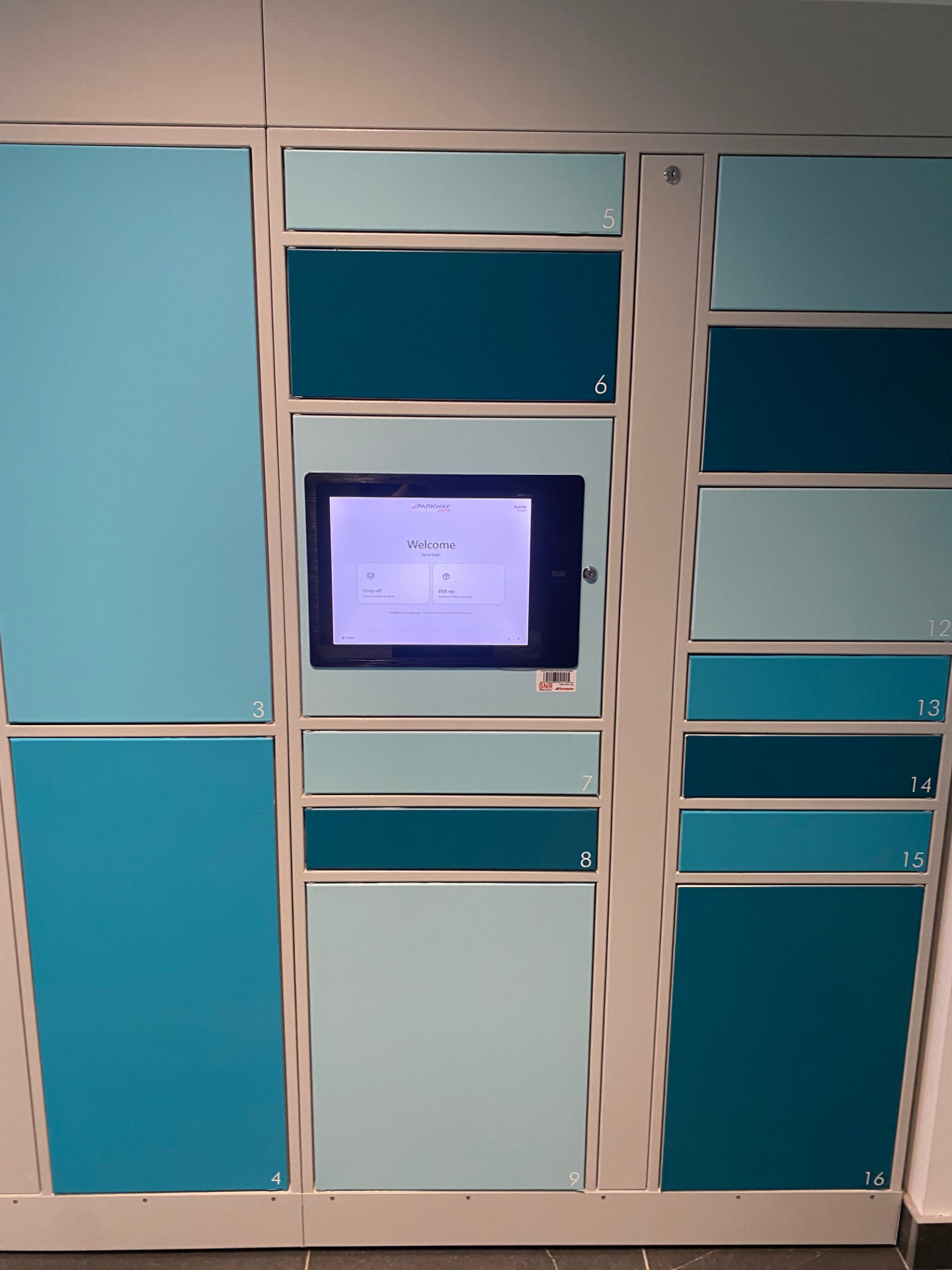
“Porch piracy” is a suburban phrase for an urban problem. In a detached home, a parcel sits on a step in public view. In a Canadian apartment or condo, it sits in a lobby, a mailroom, a corridor or a stack behind the concierge desk — technically inside the building, practically unsecured, and accessible to residents, guests, contractors and anyone who walked in behind them.
That distinction matters because it changes what works. Doorbell cameras and delivery instructions are single-family answers. Multifamily buildings need a chain of custody: a parcel handed from a courier into a locked compartment, and out again only to the person holding the code.
What the data shows
Canadian package-theft data is thinner than the US equivalent, and the numbers that circulate are often survey-based rather than police-reported. Treat the figures below as directional, and note the source alongside any you republish.
[VERIFY REAL NUMBER]
of Canadian online shoppers report having had a package stolen
Source and year required before publishing. Do not publish an unsourced figure.
[VERIFY REAL NUMBER]
average declared value of a stolen residential parcel in Canada
Source required.
Two patterns are consistent across the sources we have reviewed. First, losses cluster in the last few metres — after the courier scans a delivery as complete and before the resident physically holds the box. Second, reported theft under-counts the problem badly, because most residents do not file a police report for a parcel; they file a complaint with the building and a claim with the retailer.
Not every missing parcel is a theft
This is the uncomfortable part of the conversation with residents. In our experience the majority of “stolen” parcels in multifamily buildings fall into one of these categories:
- Delivered to the wrong unit or the wrong building in a multi-tower community.
- Signed for by staff and then misfiled in an unindexed pile.
- Collected by a household member or roommate who did not mention it.
- Marked delivered by the carrier while still on the truck, arriving the next day.
- Genuinely taken from an unsecured lobby stack.
Only the last one is theft, but all five arrive at the property manager as the same email. A system that records exactly when a parcel entered a compartment, which compartment, and which code opened it collapses four of those five categories into an answerable question.
Where the liability lands
When a building accepts parcels on behalf of residents, it takes on an expectation of care, whether or not any lease language says so. Buildings routinely absorb the cost of replacing high-value items to keep a resident relationship intact, and the staff time spent investigating is rarely counted at all.
The practical fix is to stop being a custodian. If the courier deposits directly into a locker and the resident retrieves it directly, the building is providing infrastructure rather than holding property. Have your own counsel review your lease and package-handling language before relying on that distinction — but operationally, it is the difference between managing parcels and enabling them.
What actually reduces losses
1. Remove the unsecured interval
Any period where a parcel sits in a shared space with no lock is the loss window. Smart lockers eliminate it by making the compartment the delivery destination. Carriers scan, the compartment opens, the door closes, and the resident gets a code.
2. Control courier access deliberately
Buildings often solve courier access by giving out a lobby code that never changes. An outdoor-rated or vestibule-mounted bank removes the reason to hand out access at all: couriers reach the lockers without reaching the building.
3. Keep evidence, not memories
Camera coverage at the bank, door and item sensors, and a timestamped record of every open and close turn a dispute into a record lookup. Retain that footage and those logs only as long as you need them, and tell residents what you keep — see our note on privacy obligations for smart building technology.
4. Get parcels collected faster
Dwell time is a risk multiplier and a capacity problem at once. Automated reminders at 24, 48 and 72 hours materially shorten the average pickup time, which frees compartments during peak weeks and shrinks the window in which anything can go wrong.
[VERIFY REAL NUMBER]
reduction in package-related complaints after locker deployment
Pending confirmation from Accessa Canadian customer data.
Plan for the weeks that break the system
November and December are when unsecured lobbies fail publicly. Volume roughly doubles, compartments fill, couriers revert to stacking on the floor, and the theft window reopens exactly when parcel values peak. Size the bank for peak weeks, tighten reminder cadence in advance, and consider temporary overflow procedures rather than letting the lobby become the overflow.
“The goal is not catching thieves. It is making sure a parcel is never sitting somewhere a thief could take it from.”
If your building is already fielding weekly missing-parcel emails, our property managers page sets out the operational side in more detail, including how portfolios run this across multiple sites from one dashboard.
Stay in the loop
Get new Accessa Parcel articles and resources by email.