
Property Management Tips
Retrofitting vs. replacing: what to do with outdated parcel lockers
If your locker hardware works but the software behind it does not, replacing the bank is the most expensive way to fix it. How to tell which path your building needs.
By Accessa Parcel Team, Multifamily operations · · 8 min read
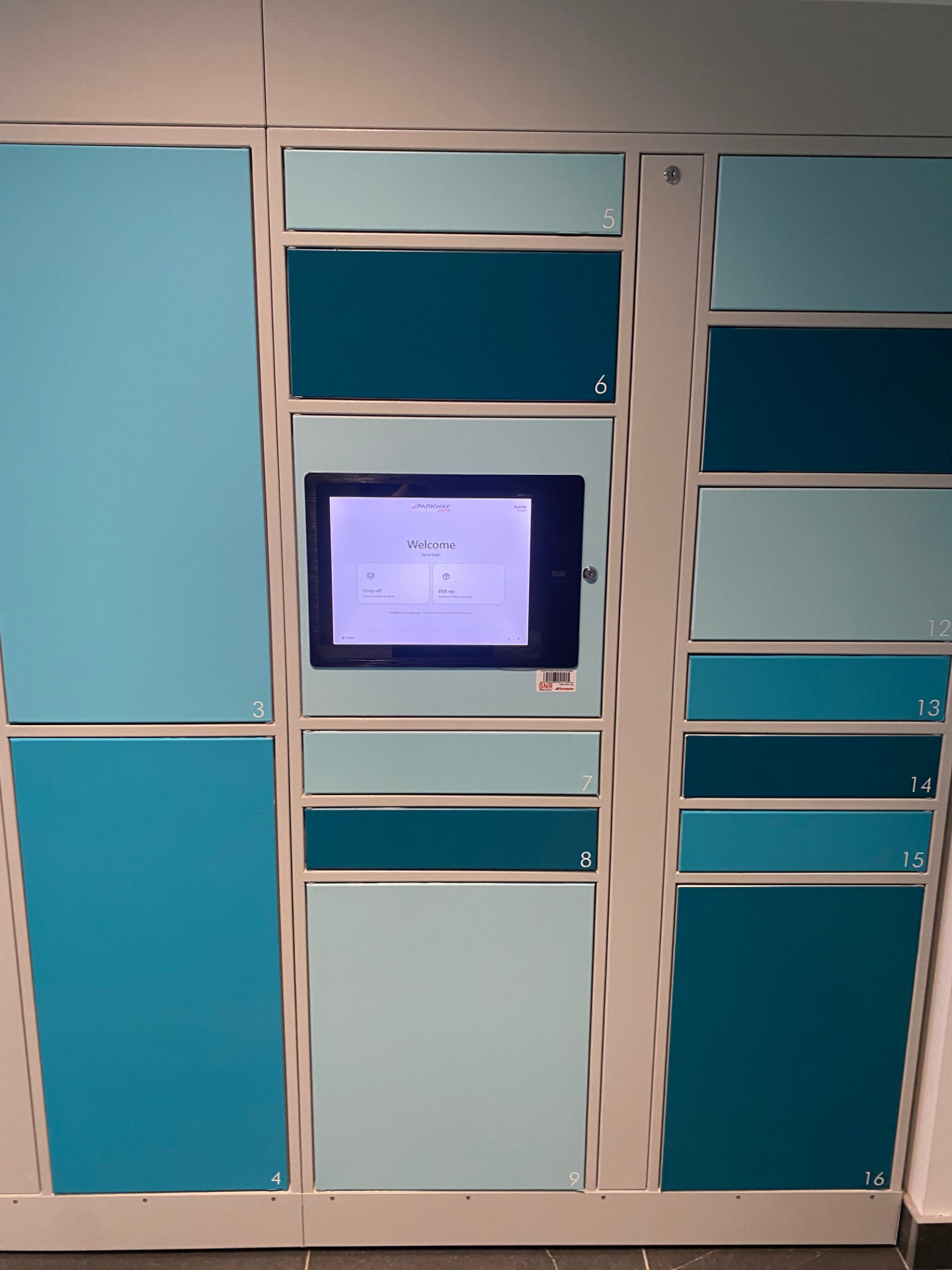
A surprising number of buildings that ask us for a new locker bank do not need one. They have serviceable steel on the wall and a software problem behind it: no carrier integration worth the name, an interface residents avoid, a dashboard that cannot answer a simple question, and a support line that takes days.
Replacing hardware to fix software is the most expensive route to a working amenity. Before any capital request goes to an owner or a condo board, it is worth separating the two decisions.
First, diagnose the actual failure
Write down the complaints from the last three months and sort them into two columns.
Symptoms that point at software
- Couriers cannot scan into the system and leave parcels on the floor instead.
- Residents do not get notifications, or get them hours late.
- Staff cannot see which compartments are occupied or how long a parcel has sat.
- There is no API, so the locker data cannot reach your property management system.
- Support requests take days, and firmware has not been updated in years.
- The interface is dated enough that residents ask staff to open doors for them.
Symptoms that point at hardware
- Locks fail mechanically, or doors no longer close square.
- The compartment mix is wrong for current volume — mostly small doors, constant oversize overflow.
- The bank is too small for peak weeks even with fast pickup.
- Rust, water ingress or physical damage in an outdoor unit.
- The control column's screen or controller is dead and parts are no longer made.
If your list is mostly in the first column, you have a software problem. That is good news financially, because the software layer can usually be replaced without touching the boxes.
What a retrofit actually involves
A retrofit installs Accessa Parcel LockerOS on your existing locker hardware, including Snaile-brand kiosks. The locks, doors and towers stay exactly where they are. What changes is the control layer, the resident experience and everything behind it: carrier integrations, notifications, QR and PIN pickup, dashboard and analytics, and an open API.
Typical on-site time is about an hour per kiosk. There is no rigging, no electrical work in most cases, and no period where the lobby becomes a construction site. Residents notice a new interface and better notifications, not a shutdown.
~1 hour
typical on-site time per kiosk for a LockerOS retrofit
Actual time varies with kiosk model and network conditions. [VERIFY] against current deployment data.
Comparing the two paths honestly
Retrofit wins on cost, schedule and disruption. Replacement wins when the physical bank is genuinely wrong for the building. The dishonest version of this comparison is a vendor telling you replacement is the only option without asking what brand you have.
- Capital cost: a retrofit avoids hardware and rigging entirely; replacement is a full capital purchase.
- Schedule: a retrofit is measured in hours; replacement is measured in weeks including lead time, board approval and install.
- Disruption: a retrofit keeps the bank in service; replacement means an interim period with no lockers at all.
- Capacity: only replacement or expansion towers fix a bank that is simply too small.
- Longevity: if the hardware is at end of life, a retrofit postpones a decision rather than resolving it.
The hybrid nobody mentions
Buildings whose bank works but is undersized often do best with a retrofit plus expansion. Move the existing hardware onto modern software, then add towers for the compartment sizes you are short of. You get current capability today and capacity for peak season without discarding functioning steel.
This is also the path that survives a board vote most easily, because the incremental spend is small and the operational improvement is immediate.
Questions to answer before you decide
- What brand and model is the existing bank, and how old is it?
- How many doors, in what size mix?
- What software runs it today, and are you still under contract?
- How many parcels arrive in a normal week, and in a peak week?
- What proportion of complaints are about notifications and access versus physical failure?
- Is the bank in the right physical location, regardless of who made it?
The last one matters more than people expect. A retrofit will not fix a locker bank hidden behind a locked door that couriers ignore. Placement is a physical decision, and it is worth solving at the same time.
“Ask the vendor what happens to your existing hardware. If the answer is always “replace it”, you are being sold a product rather than a solution.”
If the bank is genuinely at end of life, our smart parcel lockers page covers configurations, compartment mixes and indoor or outdoor options for a replacement.
Stay in the loop
Get new Accessa Parcel articles and resources by email.